This is a project where design meets policy, emotion, coordination, and equity. I wanted to show how I navigate emotionally sensitive, systemic, multi-agency service redesign, where the work matters deeply to people at their most vulnerable.
The death certificate process was fragmented across:
Hospitals
Funeral homes
Medical examiners
Embassies
Customer happiness centres
Ministry departments
Families were grieving while navigating confusing, inconsistent processes.
Staff were overburdened, under-informed, and lacked tools or clarity.
No one owned the end-to-end experience.
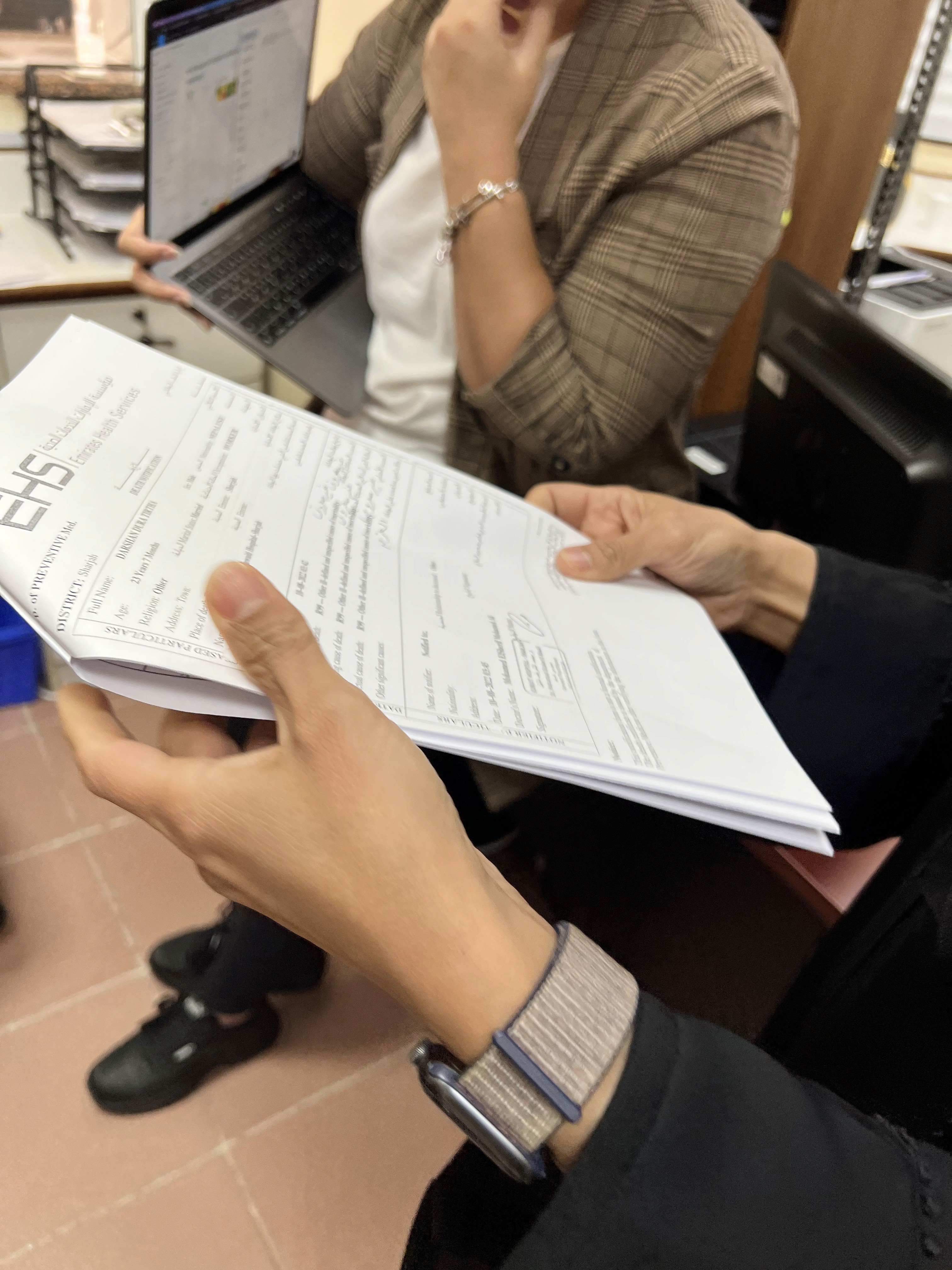
1. Made the invisible system visible
By mapping the full end-to-end experience, from the moment of death to get a certificate to prove a death. I exposed gaps for all departments to see:
Conflicting responsibilities
Redundant steps
Delays caused by unclear handoffs
Equity issues driven by language, literacy, and tech access
This clarity aligned teams around a shared problem.
2. Held space for emotional and operational truths
I facilitated research with families experiencing grief and staff under strain.
This required emotional intelligence, trauma sensitivity, and careful pacing.
It gave the redesign legitimacy and shifted conversations from blame to shared responsibility.
3. Aligned multiple departments inc. external agencies
Through co-creation workshops, I helped departments understand:
Where their roles overlapped
Where decisions created downstream issues
What a shared vision of “dignified, coordinated service” looks like
One breakthrough moment was when a department lead said:
“This is the first time I’ve understood where our part ends and another begins.”
4. Prototyped new service pathways
I created low-fidelity prototypes of:
Revised staff workflows
Clearer public guidance
Digitised forms
Future-state service blueprint
These prototypes weren’t screens, they were systems.
They enabled departments to test and validate new operating models together.
5. Built a cross-agency roadmap
I facilitated the creation of a multi-agency roadmap with:
Quick wins
Mid-term operational fixes
Long-term structural reforms
This aligned all entities on realistic, sequenced change.
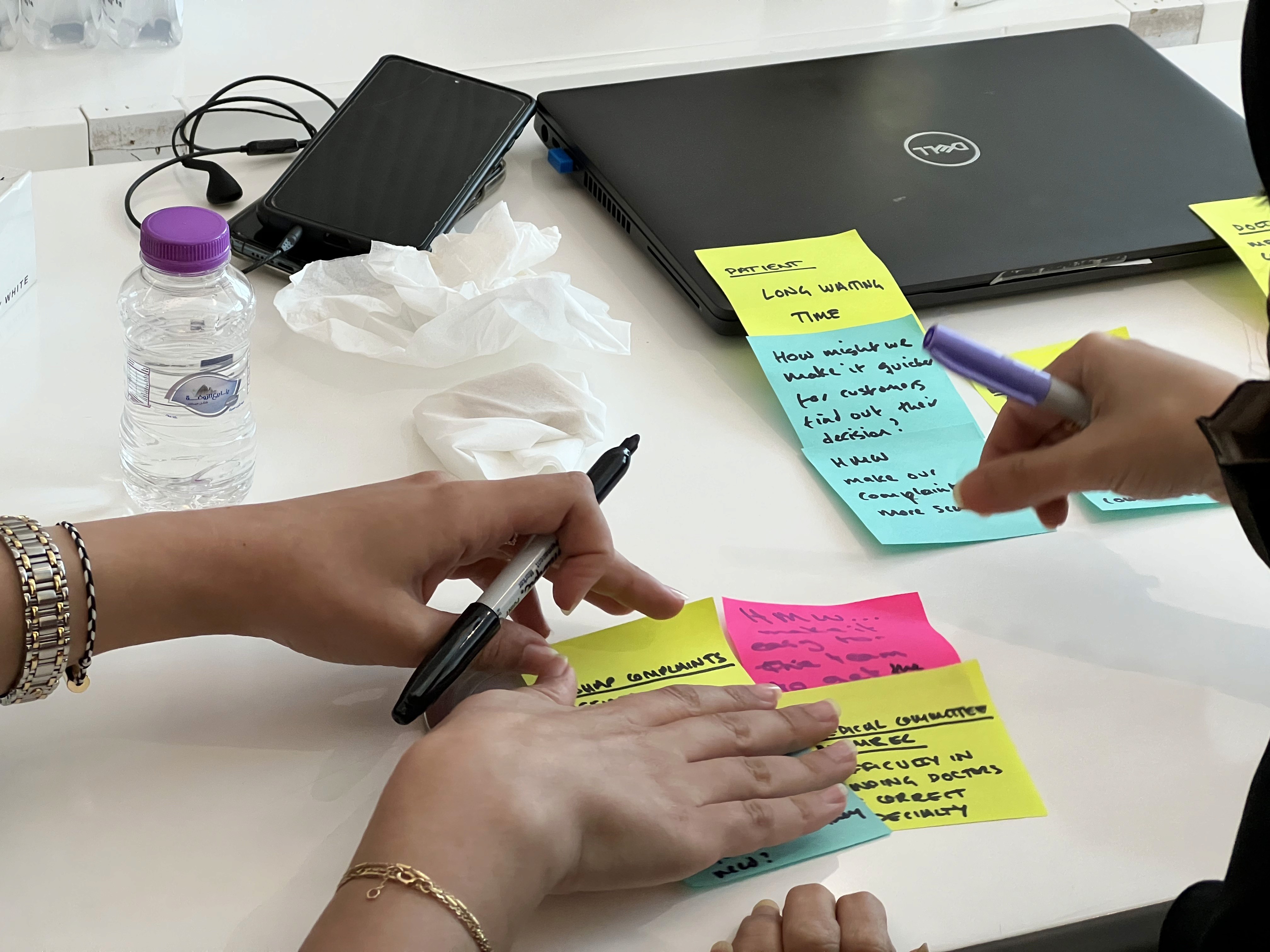
Families validated that the new guidance reduced confusion and anxiety
Staff reported feeling “seen” and finally equipped to support families
The blueprint was formally adopted and became the basis for national reform
Clarified agency roles and responsibilities
Improved cross-agency coordination
Policy and process changes enabling digitisation
National reform launched for death services
Ownership transitioned to Emirates Health Services (EHS) for better governance
This project taught me that service design is often the bridge between emotion, policy, and operational reality.
Designing in the context of grief requires care, but also structure.
The greatest impact was not a digital solution. It was creating a shared, human-centred understanding across agencies that had never collaborated end-to-end before.